Batanes Travel Guide: Rolling Hills, Stone Villages & 5 Days
Basco as your base, Marlboro Country and Vayang Hills on Batan, a full Sabtang day trip, and how to plan a first trip to Batanes.
Batanes sits at the northern edge of the Philippine map — a small cluster of islands two hours from Manila by plane, and nothing like the rest of the country. The hills are green and wide, the coastline is rocky and windswept, and the stone villages on Sabtang have been standing since the Spanish era. Most visitors to the Philippines never make it here.
It's not a cheap or easy destination. Flights are expensive, ATMs run dry, and the weather decides what you can and can't do on any given day. But the people who make it up here tend to rank it among their best Philippines trips. For most travelers, Basco is the right base, with two or three days on Batan's rolling coast road and one full day set aside for Sabtang.
How to Get to Batanes
The only way in is by plane. There are no passenger ferries from mainland Philippines to Batanes.
Flying into Basco (BSO)
Basco Airport on Batan Island handles all commercial flights for the province.
- From Manila: PAL Express operates the route on most days, with seasonal service from other carriers when demand is high. Flight time is 90 to 100 minutes on a turboprop. Usually one or two departures a day, typically from NAIA Terminal 2.
- Fares: PHP 2,500 to 8,000+ one way depending on how far in advance you book. Book at least four to six weeks ahead in high season. Last-minute fares are brutal and the planes fill up.
- No direct flights from Cebu or other hubs. Manila is the only gateway.
- Airport to Basco: The airport is right at the edge of town. A five-minute tricycle ride or a 20-minute walk.
A Note on Weather and Cancellations
Batanes is in one of the stormiest patches of sea in the world. Typhoons, rough seas, and low cloud close the airport and the Sabtang boat crossing several times a year. Build at least one buffer day into your schedule at each end of the trip. Travelers who cut it too close have missed flights waiting for a delayed departure or had a one-night extension they didn't plan for.
Getting Around Batan Island
- Tricycle: The default for day trips. PHP 500 to 1,200 for a full North or South Batan loop, negotiated in advance. Most drivers double as informal guides and know all the stops.
- Scooter: PHP 400 to 600 a day. Great for exploring at your own pace. Roads are quiet, distance is manageable. Check the brakes and the fuel gauge before you ride.
- Private van: PHP 2,000 to 3,500 for the day. Good for groups or if you want air-conditioning and more flexibility on stops.
- Walking: Fine for Basco town itself. The main sites are too spread out for a walking-only trip.
Where to Stay in Batanes
Batanes doesn't have large hotels. What it has is a mix of family-run guesthouses, homestays, and a handful of small inns scattered around Basco. Accommodation is limited — book early, especially in March to May.
Basco Town Centre
Basco is where almost everyone stays. All the restaurants, the provincial market, and the main tricycle stand are here, and it's the most central point for day trips to both the north and south. The best-value guesthouses are one or two streets back from the main road.
Typical spend
PHP 1,000 to 3,000 per night
- Central for both north and south Batan routes
- Walking distance to restaurants, market, and port
- Easy to arrange tours and scooters from here
- Most options are family-run — warm, helpful hosts
Sabtang Island
A handful of small homestays in Chavayan and Sabtang town take overnight guests. Staying the night on Sabtang means you get the villages in the early morning before the day-trippers arrive from Batan — and Chavayan at that hour is very different from the midday one. Very limited facilities, no nightlife, spotty power.
Typical spend
PHP 800 to 2,000 per night
- Chavayan village in the early morning with almost no one else there
- Staying overnight in a working stone-house village
- Very basic — think cold showers and simple meals
- Not always available — arrange in advance through your Basco guesthouse
What to Do in Batanes
Do the North Batan Loop (Marlboro Country + Valugan + Lighthouse)
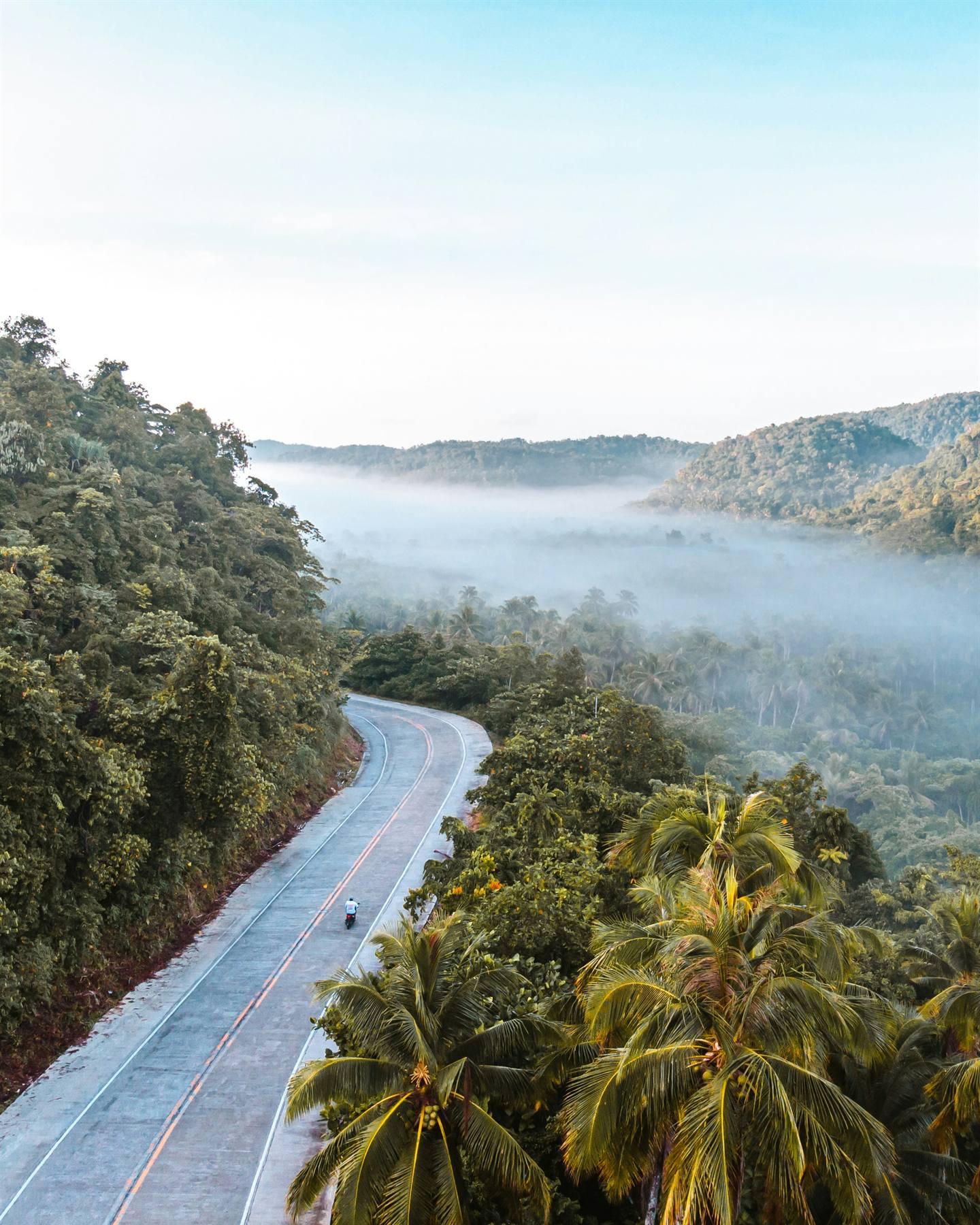
The north loop is the highlight of Batan and the day most people remember the trip for. Racuh a Payaman — better known as Marlboro Country — is a wide expanse of rolling hills with cattle grazing, a cape viewpoint, and the sea on both sides. Pair it with Valugan Boulder Beach (huge rounded boulders shaped by typhoon waves), the Basco Lighthouse on Naidi Hills, and the Tukon Chapel (Mount Carmel Chapel) viewpoint above town. A full day by tricycle does the whole circuit comfortably.
Note: Marlboro Country is best in the early morning light before the haze builds. Leave Basco by 7am.
Do the South Batan Loop (Vayang Rolling Hills + Diura Fishing Village)
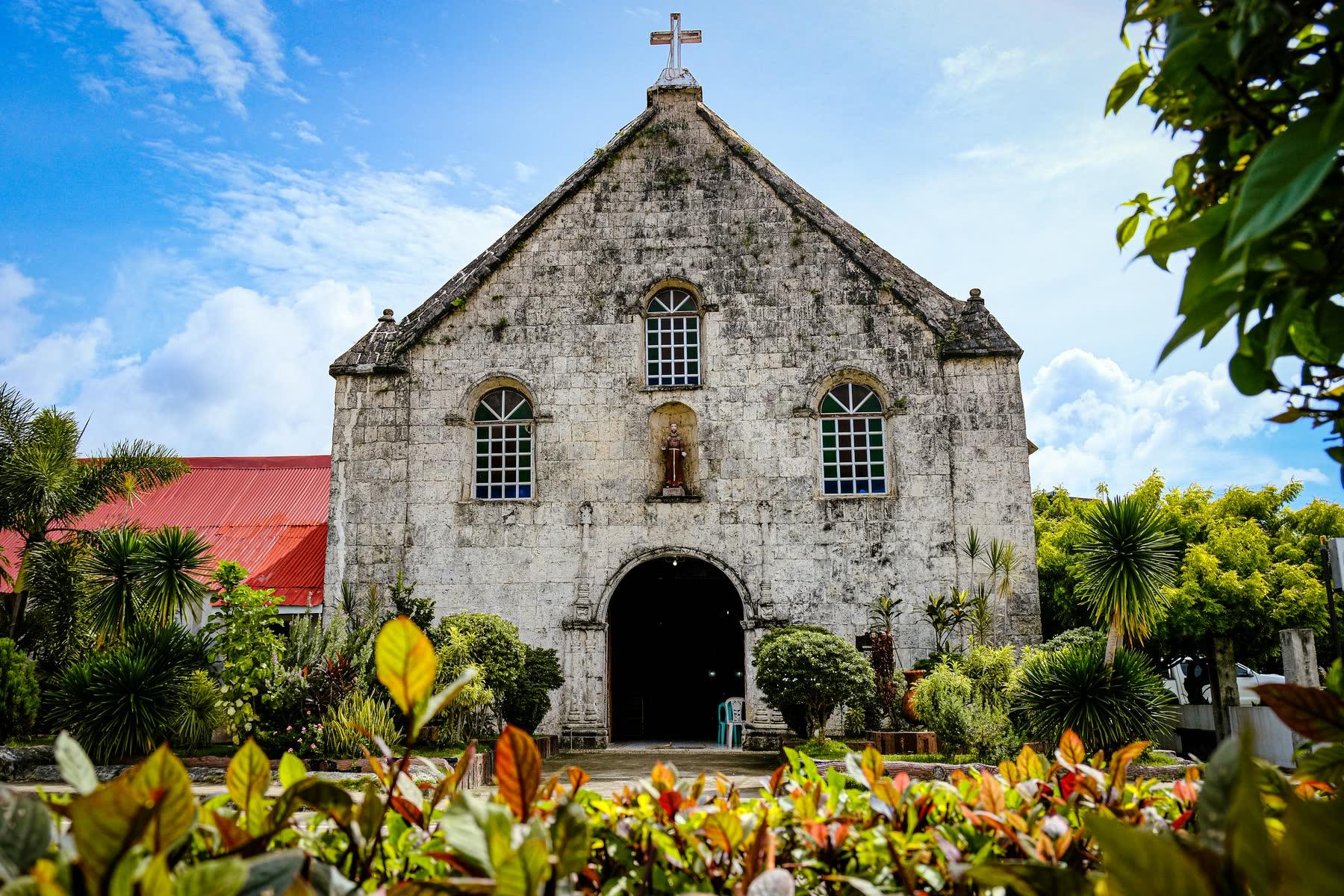
The southern side of Batan is quieter and less visited than the north but just as good. Vayang Rolling Hills looks straight out over the West Philippine Sea with nothing between you and Taiwan but water. On a clear day you can see Itbayat Island to the north. Diura fishing village below is where you'll see the traditional fishing boats and, if timing is right, the catch being brought in. Add Mahatao town for the stone church and Old Tayid Lighthouse for the sunset.
Spend a Full Day on Sabtang Island
Sabtang is worth a full day, not a morning visit. Chavayan village is the most complete example of traditional Ivatan stone architecture in the archipelago — lived-in stone houses, stone walls, cobblestone paths between them. Savidug is smaller and quieter. Nakabuang Arch is a 20-minute hike from the main road, a natural stone arch over a rocky cove. Morong Beach has white sand and clear water for a swim after the village walk. Take the first falowa out and the last one back.
Note: The falowa runs on sea conditions, not a fixed timetable. Get to Ivana Port by 7am. Bring PHP 200 for the Sabtang Island tourism fee.
Climb to Basco Lighthouse at Sunrise or Sunset
The Basco Lighthouse sits on Naidi Hills above town and the view is exactly what you want from a lighthouse: the town below, the sea in three directions, and the open channel to the north. It's a 10 to 15 minute walk up from the main road. Sunrise is the quieter visit; sunset is the social one with a handful of other travelers up there. Both are worth making the climb for on separate evenings.
Walk Around Basco Without a Plan
Basco is the only real town in Batanes and it's tiny — you can walk the whole centre in 30 minutes. The heritage churches, the provincial capitol grounds, and the market are all close together. The market is especially worth a morning: dried flying fish, root vegetables, local rice, and fresh produce from the farms. Nobody is in a rush and nobody is pitching anything. It's a good place to just walk slowly.
Try to Get to Itbayat (If You Have Extra Days)
Itbayat is the largest island in Batanes and the most remote. No regular commercial flights, no scheduled ferry — access is by small boat from Basco when conditions allow, roughly every few days. The boat cancels often. If you make it, you get an island with almost no tourist presence and some of the most dramatic coastline in Batanes. Plan for the possibility you won't get there, and treat it as a bonus rather than a fixed itinerary stop.
Note: Itbayat is for travelers with extra days and a flexible schedule. Don't build a flight or ferry connection around it.
Where to Eat in Batanes
The food scene in Batanes is small but it has its own character. Flying fish is on almost every menu, local root vegetables fill out the plates, and the portions are generous for what you pay. Don't come expecting a restaurant strip — come expecting good home-cooking, simple carinderias, and the occasional guesthouse serving the best thing on the menu that day.
- Flying fish (dibang): The local catch, usually served fried or as a soup. Mild, flaky, very fresh. Available almost everywhere. PHP 150 to 250 for a full serving.
- Uvud balls: Meatballs of banana pith mixed with ground pork, steamed or simmered in broth. A traditional Ivatan dish. Found in carinderias and at the market. Cheap and filling.
- Honesty coffee shops: A few small open-air stalls near the Basco town centre operate on an honesty basis — pour your own coffee, leave the cash in the box. Worth stopping at if you pass one.
- Guesthouse meals: Many family guesthouses serve meals to guests (and sometimes walk-ins) at fixed times. Usually Filipino home cooking — rice, adobo, fried fish, vegetables. PHP 150 to 300 per meal. Ask when you check in.
- Carinderia near the market: Hot meals, rice toppings, soup. PHP 80 to 150. The local lunch option that's almost always better than it looks.
- Palek (local sugarcane wine): The traditional Ivatan alcohol, fermented from sugarcane. Try it once from a local seller. It's strong, it's very Batanes, and the alternative is beer from the convenience store.
How to Spend 5 Days in Batanes
Five days gives you time to actually be in Batanes rather than just passing through it. This is the version that accounts for one weather delay and doesn't try to squeeze Itbayat in.
Day 1: Arrive, Basco Town, Lighthouse Sunset
- Arrival: Land in Basco in the morning or early afternoon. Check in, walk to the ATM first thing (BDO branch, main road). If you haven't already, take out your full trip budget now — the ATM runs out of cash on long weekends.
- Afternoon: Walk Basco town. Santo Domingo de Basco Cathedral, the provincial capitol grounds, the main street and small market. Get oriented — it's small enough to understand in two hours on foot.
- Late afternoon: Climb to Naidi Hills for the Basco Lighthouse. Aim to arrive 45 minutes before sunset. The view over town and the channel is worth the climb.
- Evening: Dinner at a guesthouse or a sit-down restaurant in town. Flying fish if it's on the menu. Early bed — tomorrow is an early start.
Day 2: Full North Batan Loop
- Early morning: Leave Basco by 7am. Either a rented scooter or a tricycle for the day.
- First stop: Marlboro Country (Racuh a Payaman). Get there before 9am for the morning light and before the small tour groups arrive from town. Walk out toward the cape viewpoint, take your time. This is the shot most people come to Batanes for.
- Mid-morning: Valugan Boulder Beach. The scale of the boulders — piled by typhoon waves over centuries — is hard to get from photos. Walk the length of the beach.
- Midday: Continue the north coast road through Mahatao. Stop for food in any carinderia you pass along the way.
- Afternoon: Tayid Lighthouse and the Mahatao stone church on the way back. Back in town for sunset.
Day 3: Sabtang Island Full Day
- Very early morning: Leave for Ivana Port (about 10 to 15 minutes south of Basco by tricycle). Aim to be at the port by 6:30 to 7am. The falowa runs on sea conditions, and the first boats go early.
- Crossing: 30 to 45 minutes. Hold on if it's choppy — the falowa is small.
- Morning: Chavayan village first. Spend proper time in it — don't rush the stone lanes, look at the houses, talk to the people sitting outside. Savidug and the Chamantad-Tinyan viewpoint after if you have energy.
- Midday: Nakabuang Arch and Morong Beach for a swim and lunch. Bring your own food or buy from a small store on the island — don't count on a restaurant being open.
- Afternoon: Take the last reliable boat back to Ivana (usually around 3 to 4pm). Back in Basco for dinner.
Day 4: South Batan Loop or Buffer Day
If Day 3 went smoothly, use Day 4 for the south loop — Vayang Rolling Hills, Mahatao church, Diura fishing village. If the Sabtang boat was delayed or cancelled on Day 3, use today for the Sabtang trip instead.
- South loop: Head out by 8am by scooter or tricycle. Vayang Rolling Hills on the west coast is the headline — early morning gives you the mist over the sea and the cattle on the hillside. Diura is a short ride from the Vayang area on the east side and a very different feeling from the tourist-facing hill viewpoints. Watch the fishing boats, buy some fish if the catch just came in.
- Afternoon: Loop back via Tukon Chapel (Mount Carmel Chapel) for the view over Basco and the sea. Back in town for sunset.
Day 5: Slow Morning and Departure
- Morning: Walk the market one last time. Pick up dried flying fish if you want something to bring back. Coffee at the honesty café.
- Before the airport: Leave plenty of time. The airport is a short tricycle ride, but flight boarding is sometimes earlier than the ticket says and the check-in queue, small as it is, can move slowly.
- Flight: Back to Manila.
Batanes Travel Tips for First-Timers
- Cash is the single most important thing to sort. Basco has a handful of ATMs (BDO and Landbank), but they're not always stocked and card payments are rare outside a couple of guesthouses. Withdraw your full trip budget in Manila before the flight. Assume PHP 5,000 to 8,000 for five days on the ground covers food, transport, and entrance fees.
- Book flights early. Basco flights have limited capacity and fares climb fast in high season. Six to eight weeks ahead is the minimum for reasonable prices.
- Build in a buffer day. At minimum one. Flights get delayed for weather and the Sabtang boat doesn't run in rough sea. Travelers who have a tight onward connection from Manila sometimes miss it.
- Bring a light jacket. Evenings cool down quickly, especially between November and April. The wind off the sea makes it feel colder than the temperature suggests. One fleece or wind layer is enough.
- Wear proper footwear. The rolling hills trails and Sabtang's cobblestone villages both chew through sandals fast. Trainers with grip are the minimum; light hiking shoes are better.
- Mobile signal: Globe and Smart both have signal in Basco and on most of the main Batan roads. Coverage drops on the north coast and on Sabtang. Download offline maps before you leave Basco.
- Book accommodation early. Batanes does not have excess rooms. Popular guesthouses in Basco fill weeks ahead in March to May. The choice narrows fast if you book within a week of travel.
- Register your visit. The Batanes Tourism Office in Basco issues a tourist registration card. Some sites require it. It's free, takes two minutes, and is worth doing on arrival.
- Weather forecasts are real here. PAGASA posts daily updates. Look them up the evening before a boat or outdoor day. The locals know the signs; ask your guesthouse owner if the sea looks borderline for the Sabtang crossing.
- Plastic waste is taken seriously. Batanes has active community programs to reduce single-use plastic. Bring a reusable water bottle and refill it at guesthouses.
Batanes Budget Tips
- Fly mid-week (Tuesday or Wednesday). Manila-Basco fares are usually lower outside Friday-to-Monday travel.
- Stay at a family guesthouse rather than the newer inns. Cheaper, and the owner usually knows every shortcut on the island.
- Rent a scooter instead of a tricycle if you're comfortable riding. You control the route, you stop when you want, and it costs less for a full day.
- Eat at carinderias and honesty stalls for at least half your meals. PHP 80 to 150 a plate, versus PHP 300 to 500 at sit-down spots.
- Skip the packaged tours. The north and south Batan loops are easy to self-navigate with a rented scooter or a tricycle and Google Maps offline.
- Book six to eight weeks ahead. The difference between early and last-minute Basco flights can easily be PHP 4,000 to 6,000 per person round-trip.